Is AI coming for the HR team?
Is AI coming for your job? Part 4: The HR Department
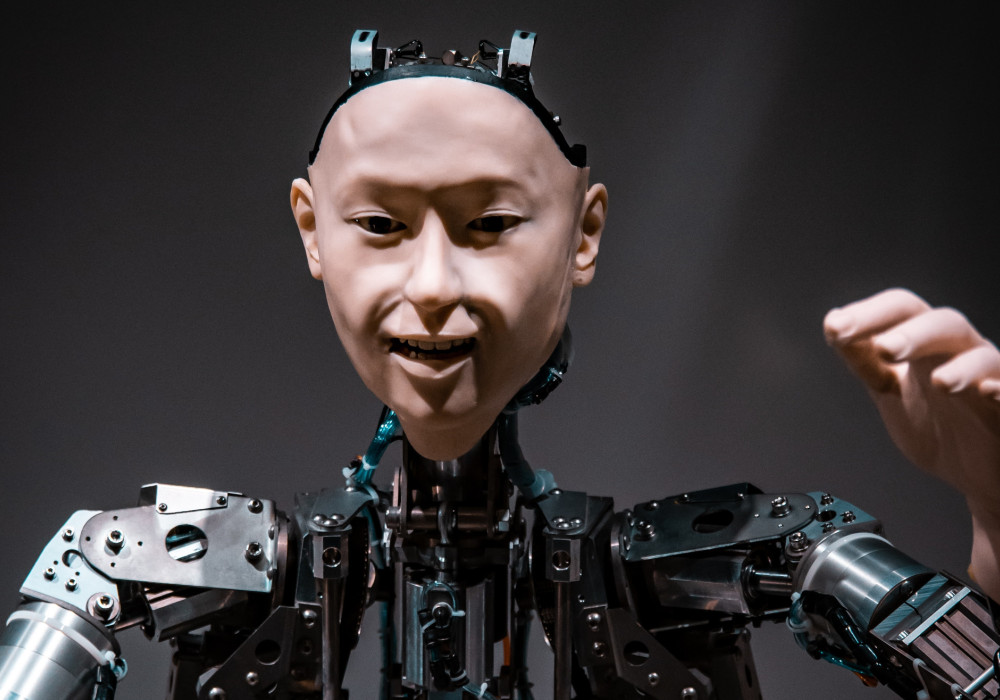
Is AI coming for your job? Part 4: The HR Department
The use of AI in HR isn't new. HR professionals certainly know they've been using technology to automate routine tasks and reduce workloads for years. But recent advancements in AI technology (hashtag, ChatGPT) have made it possible to automate more complex tasks, from candidate screening, to employee engagement, to performance management and more. AI-powered tools can certainly enhance HR professionals' ability to make better decisions by providing insights and identifying trends. But what's the end game?
Dealing with bias
Despite media and social media lighting up with (bias-confirming?) posts about how AI can't be trusted due to inherent bias, in fact one of the increasingly valuable benefits attainable from AI in HR disciplines is its ability to reduce bias in hiring. As humans, we're actually pretty innately biased creatures ourselves (we may tell ourselves otherwise, or perhaps wish that wasn't true).
AI tools can and do learn things badly, yes - essentially by being trained on biased training datasets by accident or by design. But putting that gotcha to one side and looking objectively at what would be a neutral AI (one trained by a balanced dataset) it's clear that we've now got very close to actualising intelligent tools that can analyse candidate data without being influenced by personal biases, like gender, race, or age. This can result in a fairer and more diverse candidate pool. AI can also help identify the most qualified candidates by analysing CVs, cover letters, and other application materials.
But is AI really the silver bullet it's often made out to be? There are valid concerns about the use of AI in HR, particularly around ethics and privacy. For example, AI-powered tools can and are even now being deployed to mine into the sentiments in corporate datasets - including slack messages, internal chats and emails. This raises the concern that employees' privacy could be getting compromised, with the associated perceptions that the business is monitoring them too closely, or drawing unfair conclusions about their behaviours. But again we run into the question: "What about when humans do that analysis?" Do we see less, or more bias? Is it even comparable? AI running amok without guardrails would certainly not be cool, so we do need to make sure we're using such powers ethically and protect employees.
Towards dehumanisation?
Another concern is that the use of AI in employee engagement may lead to a steady dehumanisation of the workplace. But I'm not so sure. AI can definitely automate and provide service at inhuman scale. But in the battle for engagement, if humans are the best answer, then why is employee disengagement (quiet quitting, the great resignation) in the news? Could it be that we're going to see people become quickly habituated to interacting with non-human intelligences? Could it be that people already understand that AI, ChatGPT and its ilk can't replace human empathy and understanding but they might begin to prefer sharing issues with an intermediary that can display empathy?

In this real exchange between a Parkinson's sufferer and ChatGPT, the human commented "good marks for empathy and supportiveness"
In the immediate term, HR professionals still need to strike a balance between the use of technology and the human touch. Ai tools that emerge and are built upon technologies like ChatGPT can free up HR professionals' time to focus on the more human aspects of their job, like coaching, mentoring, and relationship-building. but it won't be long before services emerge that can do even that - and at a scale we as humans can never hope to match.
That's why it's so important to upskill HR professionals in AI. HR professionals need to have a solid understanding of where the technology is going, its capabilities, and its limitations. They must also be able to access and use tools effectively and responsibly. This means knowing when to rely on AI and when to bring in the human touch. It's not an either-or situation, but a complementary one.
There'll always be a need for the human touch
HR professionals play a critical role in organisations, and their ability to empathise, understand, and communicate with employees won't be completely replaced by AI. By combining the strengths of both AI and human expertise, practitioners can become even more effective in improving organisational outcomes and creating better workplaces.
Here are some of the approaches I think could help HR professionals leverage AI effectively:
- Start small: Don't try to automate everything at once. Start with a few tasks and see how it goes. This will help you identify what works and what doesn't.
- Involve employees: Ask employees for feedback on how AI is being used in the workplace. This will help you understand their concerns and address them.
- Upskill HR professionals: Provide training and support to HR professionals to help them understand and use AI tools effectively.
- Focus on ethics: Ensure that the use of AI in HR is ethical and that employees' rights are protected.
- Maintain the human touch: While AI can automate some tasks and provide valuable insights, it can never replace the human touch. HR professionals need to maintain empathy, understanding, and communication skills to create a positive workplace culture. This means taking the time to listen to employees, understand their concerns, and provide personalized support. Incorporating the human touch can also help avoid the pitfalls of relying too heavily on AI. For example, AI tools may not be able to identify cultural nuances, nonverbal cues, or emotions that HR professionals can pick up on. By maintaining that human touch, HR professionals can ensure that employees feel valued, heard, and understood.
- Use AI for continuous improvement: AI can help HR professionals identify areas for improvement and track progress over time. By using AI-powered analytics, HR professionals can gain insights into employee engagement, turnover, and performance. This information can be used to develop targeted strategies for improvement and measure the success of HR initiatives.
- Embrace change: The HR department is changing, and it's important to embrace that change. HR professionals need to be open to new technologies, processes, and ways of working. By embracing change and staying up-to-date on the latest trends and tools, HR professionals can future-proof their careers and stay ahead of the curve.
The future just keeps arriving
AI and chat-based tools are set to rapidly transform HR departments. But they're not a replacement for human expertise just yet. HR professionals need to maintain their grip on the human touch while leveraging the benefits of AI. By striking a balance between technology and human interactions, HR professionals can improve their organisations and create better workplaces. Remember. Start small, involve employees, upskill your HR professionals, focus on ethics, maintain the human touch, use AI for continuous improvement, and embrace change. Good luck!
In the next post I'll be looking into the ways ChatGPT 4 is already being deployed to influence people and processes
Posted 3 years ago Comments are disabled