Karina's 331 Applications and the Thing That Bothers Me Most
When AI tells you your strengths because no one else will
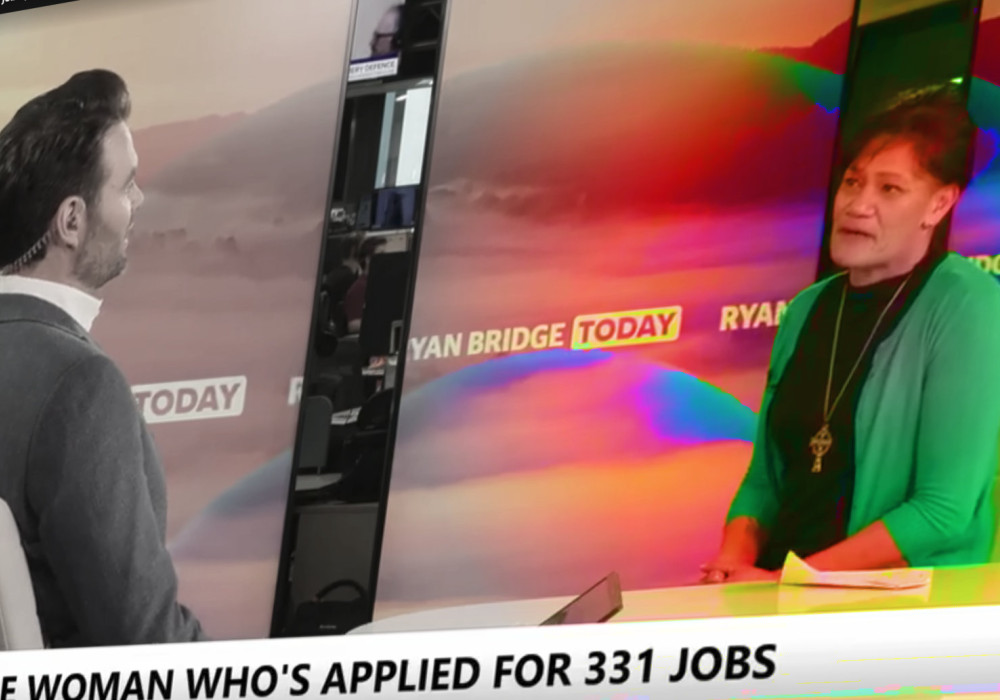
I read the NZ Herald piece about Karina Atkins this morning and I haven't been able to shake it. She's been job hunting for fifteen months. 331 applications. Living on $33.14 a day after rent. And the bit that got me was this: she's using AI to write cover letters, and she said it's nice to hear "somebody" tell her what her strengths are because she hasn't got anybody else to do that.
She called the AI "somebody."
I've been building JobGym for a while now and I thought I understood the problem we're solving. But reading that line made me realise I'd been thinking about it wrong. I'd been focused on the mechanics. The ATS filters. The keyword matching. The way hiring systems strip people down to data points. All of that matters. But Karina's story is about something else.
The loneliness of looking for work
When you're job hunting, especially for months on end, you lose your professional identity bit by bit. You used to be someone who did things. Now you're someone who applies for things. The feedback loop is brutal. Silence, rejection, silence. Or worse, automated rejection emails that arrive three minutes after you hit submit.
Karina said she's battling AI gatekeepers. She's also leaning on AI to feel seen. That's not a contradiction. It's a symptom of a system that's broken in a specific way. The human parts have been hollowed out on both sides.
I've felt versions of this myself. Years ago, before I started Promana, I was between roles and the experience left a mark. You start doubting yourself. You wonder if your skills are real or if you've been fooling everyone. When nobody responds, you start to believe the silence is the answer.
What AI can do and what it can't
Karina's using ChatGPT or something similar to help with her cover letters. Fair enough. It's fast. It's available at 2am when you can't sleep. It doesn't judge you for applying to the same type of role for the fortieth time.
But here's the thing that bothers me. When she feeds her CV into a chatbot and asks for help, the AI is making educated guesses. It's pattern matching. It reads "five years in administration" and generates plausible strengths. It doesn't know if she's the person who stays calm when everything's on fire. It doesn't know if she's the one colleagues go to when they need something sorted properly. It doesn't know what makes her different from the other thousand people with similar CVs.
It's telling her what she might be good at based on what it's seen before. That's useful. It's also hollow in a way that's hard to articulate.
Starting somewhere different
When we built JobGym, we made a decision early on. We weren't going to start with the CV. We weren't going to start with the job description either. We were going to start with the person.
The system uses structured conversations to understand who you are. Not in a vague, personality-quiz way. We use behavioural assessment technology that's been around for decades, long before the current AI wave. It's designed to surface your actual traits, the patterns in how you work and relate to others. The stuff that makes you good at certain things and less suited to others. The stuff that's hard to put into words on your own.
Then the AI comes in. But it's working with something real. It's not guessing your strengths from a list of job titles. It's building on a foundation that came from you, through a process that asked the right questions.
Why this matters to me
I've been a business mentor with the Auckland Chamber for a while. I talk to people at all stages. Some are starting out. Some are rebuilding after redundancy. The ones who struggle most are the ones who've lost their sense of what they bring to the table.
Karina called the AI "somebody" because she needed somebody. That's not a technology problem. That's a human problem. But technology can make it worse or it can make it better.
Most job-search tools are built for employers. They help companies filter faster, reject more efficiently, process higher volumes. The candidate-facing tools mostly help you optimise for those filters. Write better keywords. Match the job description more closely. Sound more like what the algorithm wants to hear.
JobGym is trying to do something else. We want to help you sound like yourself, but the version of yourself that's clear about what you offer. The version that doesn't get lost in translation.
I don't have a neat ending for this
Karina's still looking. 331 applications and counting. I hope she finds something soon. I hope the next role she applies for has a human on the other side who actually reads her cover letter.
If you're in a similar spot, I'd say this: you're allowed to use whatever tools help you get through it. AI, spreadsheets, a whiteboard covered in sticky notes. But at some point, it's worth stepping back and asking whether the tools are helping you be seen or just helping you blend in better.
JobGym exists because there's a gap. A place for something that starts with the real you. If you're curious, have a look at jobgym.nz. It's free to explore and there's no pressure. It's something that treats job seekers like people first. 😊
Posted 3 weeks ago Comments are disabled